Douraku Ramen (道樂): Fukuoka Yatai Ramen in Shilin
By Sammy Lei ·
From a Small Yatai to a Shilin Favorite
Douraku Ramen started as a small yatai-style ramen stall in Shilin in 2016, inspired by the street-side ramen stalls of Fukuoka. Yatai is the Japanese word for a food cart. The owner, from Fukuoka, brought the flavours and atmosphere of his hometown to Taipei, along with his grandmother's ramen recipes. What began as a small cart eventually grew into proper restaurants, while still keeping much of its original Japanese street-stall character.
I first visited Douraku during the COVID-19 period, when most people in Taiwan were avoiding restaurants and staying home. A friend recommended it because he knew I loved ramen. By that point, I had already tried more than a hundred ramen shops around Taipei, so I was always curious to see what made a particular bowl stand out. What surprised me most was that even during COVID, when people were generally being so cautious about going out, Douraku was still packed. That first visit left a strong impression on me.


Ordering Ramen the Japanese Way
This time, I came back with Kalen on a weekday evening. It was already after 8 pm and well past the dinner rush, but the restaurant was still full. The staff were extremely friendly and helped us to our assigned seats. We ordered through a touchscreen machine, which was simple and easy to use.
One thing I really like about Douraku is how much you can customize your ramen. For the soup, you can choose light, normal, or Japanese-style. I always choose the Japanese-style option because the flavour is more intense and the broth is richer and more concentrated.
I’ve had ramen at other places where choosing the Japanese-style broth means the soup becomes so salty that I can barely drink it. What I like about Douraku is that although the Japanese-style broth is rich and full of flavour, it is still something I can actually enjoy drinking. It has that deeper, more pronounced Japanese ramen character without becoming overwhelmingly salty.
I also usually choose firm noodles, especially for thin Hakata-style ramen. Since thin noodles continue to soften in the hot broth, I like them firm so they keep their bite.
For the spicy ramen, you can also choose the level of heat. Kalen always goes for gekikara (激辛), the extremely spicy option. When I tried a sip of his soup, I immediately thought, “Wow!” The chilli flavour was intense, and it was so spicy that my stomach practically started turning. Kalen, on the other hand, had absolutely no problem with it and happily ate the whole bowl. I guess how spicy is “too spicy” really depends on the person!
Another nice touch is the kaedama (替玉), or noodle refill. Douraku gives you one additional serving for free, whereas many ramen shops charge extra. It definitely adds to the value of the meal.
The Ramen and Side Orders
I ordered the Deluxe Shoyu Ramen (豪華醬油拉麵) — NT$250. It came with egg, chashu, and two sheets of nori. The shoyu broth was rich and savoury, with pork back fat adding extra richness and a deeper pork aroma.
Kalen ordered the Deluxe Spicy Tonkotsu Ramen (豪華辛味豚骨拉麵) — NT$300. With the Japanese-style soup and gekikara spice level, his ramen had a strong Japanese chilli-powder aroma, followed by a rich, spicy tonkotsu flavour. It was definitely too spicy for me, but Kalen loved it.
We also ordered Karaage (唐揚げ) — NT$100. The chicken was marinated with mayonnaise, giving it a subtle richness, while the outside was crispy and the inside tender. It came with a slightly tangy mayonnaise dipping sauce that paired really well with the chicken.
The Chashu Rice — NT$60 was another highlight. The generous portion of chashu was seared until it developed a smoky aroma, and the sweet sauce worked nicely with the white rice.
We finished everything, and for NT$250–300 per bowl, I thought the meal was very good value, especially with the free kaedama and generous side dishes.


A Little Bit of Showa Japan in Shilin
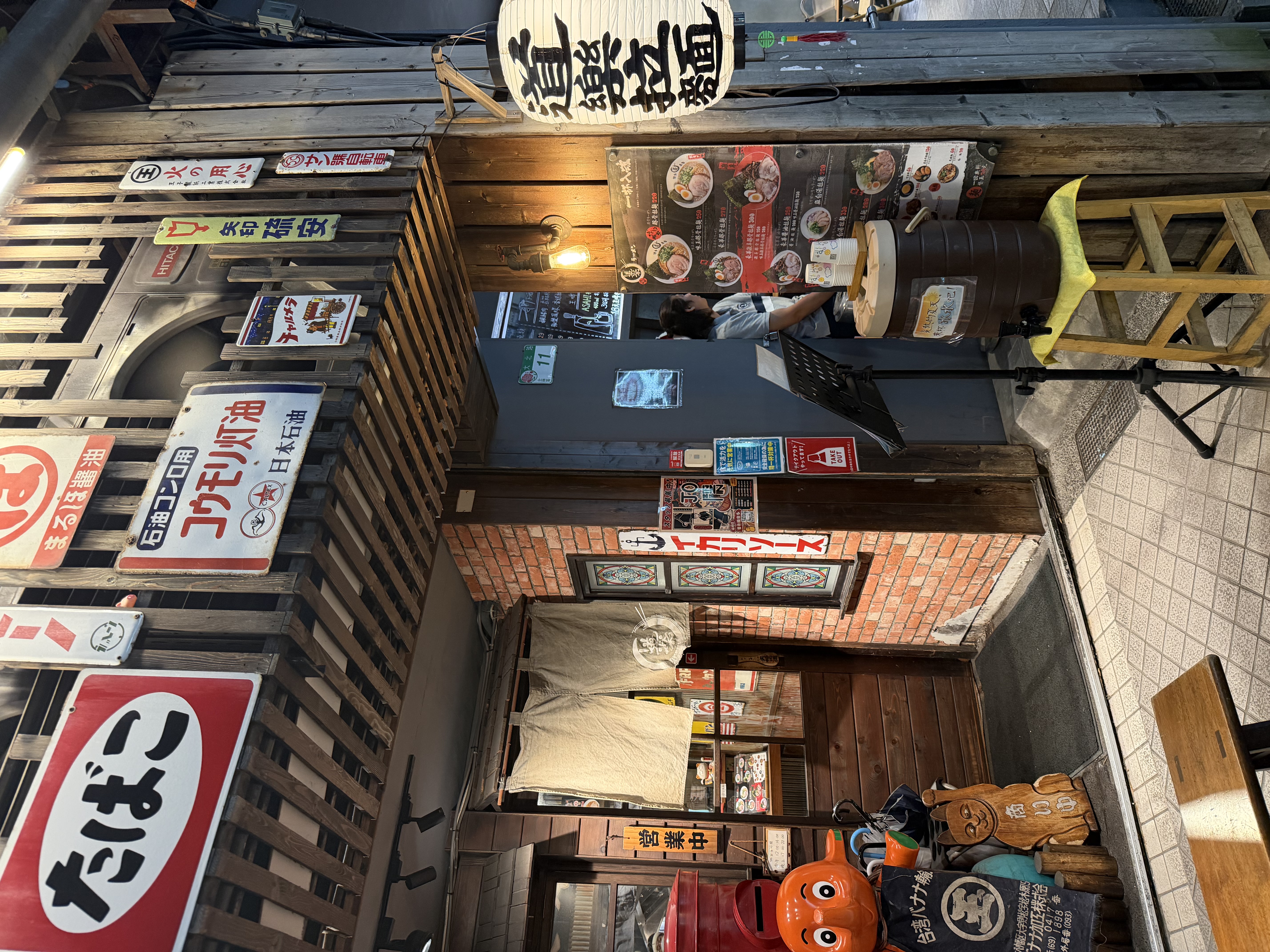
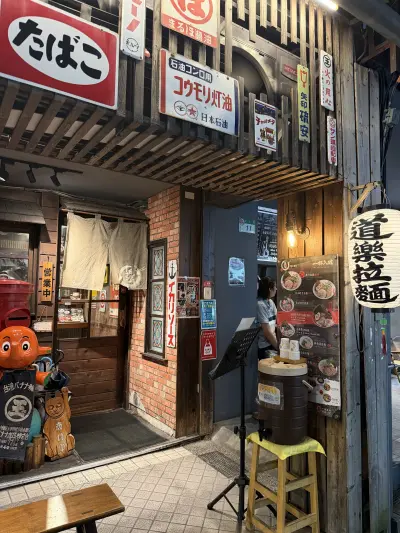
The interior is filled with small retro decorations and toys inspired by the Showa era. You can tell that someone has put a lot of thought into the details. Together with the lanterns, compact seating, and Japanese-style setup, the restaurant has a strong Japanese street-stall atmosphere.
Douraku has grown a lot since I first visited during COVID, but it has managed to keep much of that original yatai spirit. From the rich but drinkable broth and customizable noodles to the generous portions and friendly service, there is a lot to like here.
For the price, the generous toppings, the free noodle refill, and the overall experience, I think Douraku is definitely worth a visit if you’re in Shilin and craving a satisfying bowl of ramen.
Sammy Lei
A Taiwanese cultural explorer and food enthusiast based in Taipei. He loves traveling, meeting people, and experiencing local cultures through traditional food, street food, and even the occasional chain restaurant. He is curious about the stories behind what we eat—from ingredients and restaurant histories to the little bits of trivia that make each dish more than just a meal.
More Reviews
Also Tasted
Review
LA-Style Carne Asada and Lengua Street Tacos at Chale Tacos in Taipei
Oct 2026 Taipei
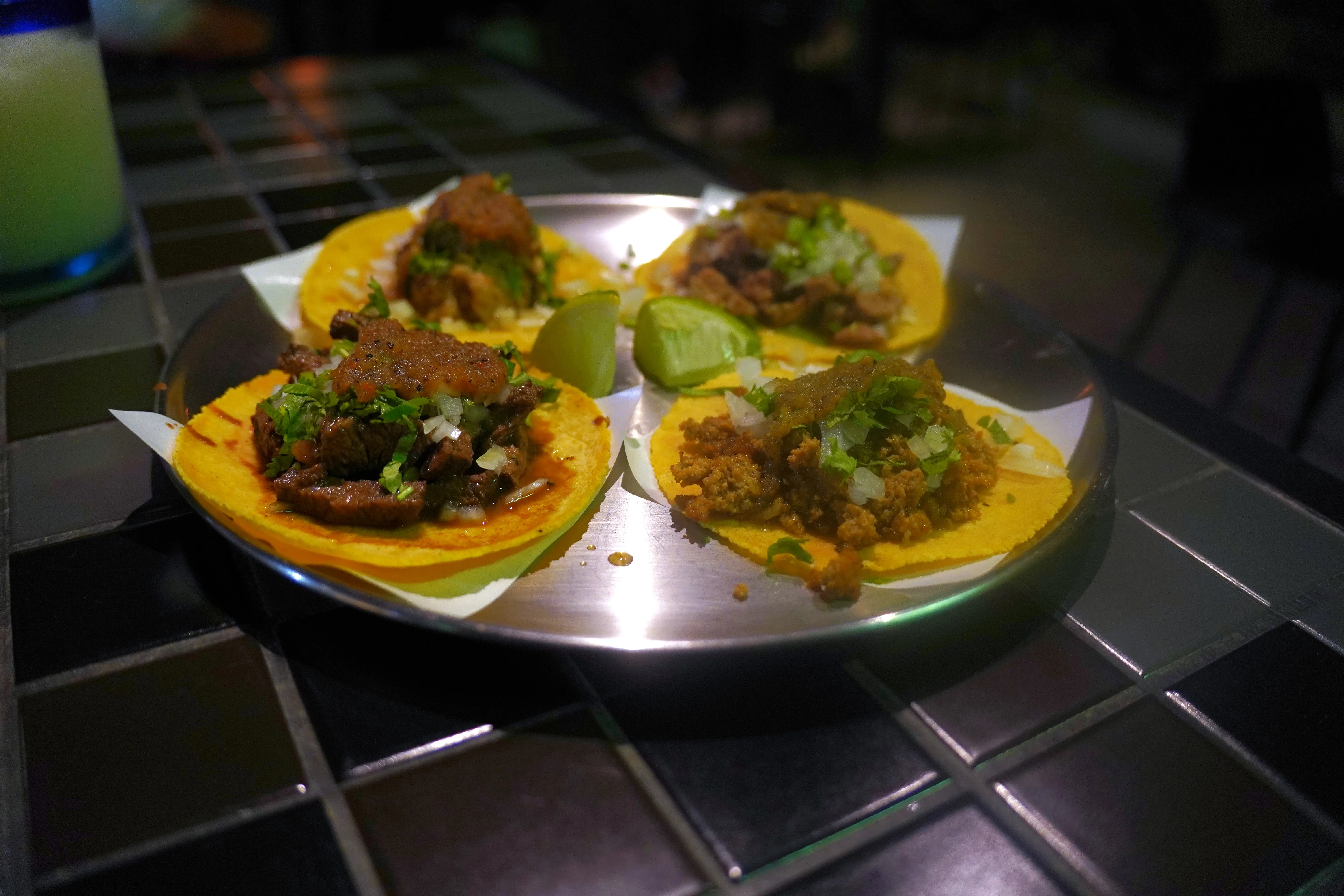
Chale Tacos kindly invited us for a meal, but we wanted to review them as regular customers first. Here’s how their LA-style street tacos, Kaoliang margarita and spicy Mexican wontons held up for someone who spent six years eating tacos in Puerto Vallarta.
Review
Jinxiang Taiwanese Snacks: Lu Rou Fan and Pork Rib Soup Near Guang Hua Digital Plaza
Oct 2026 Taipei
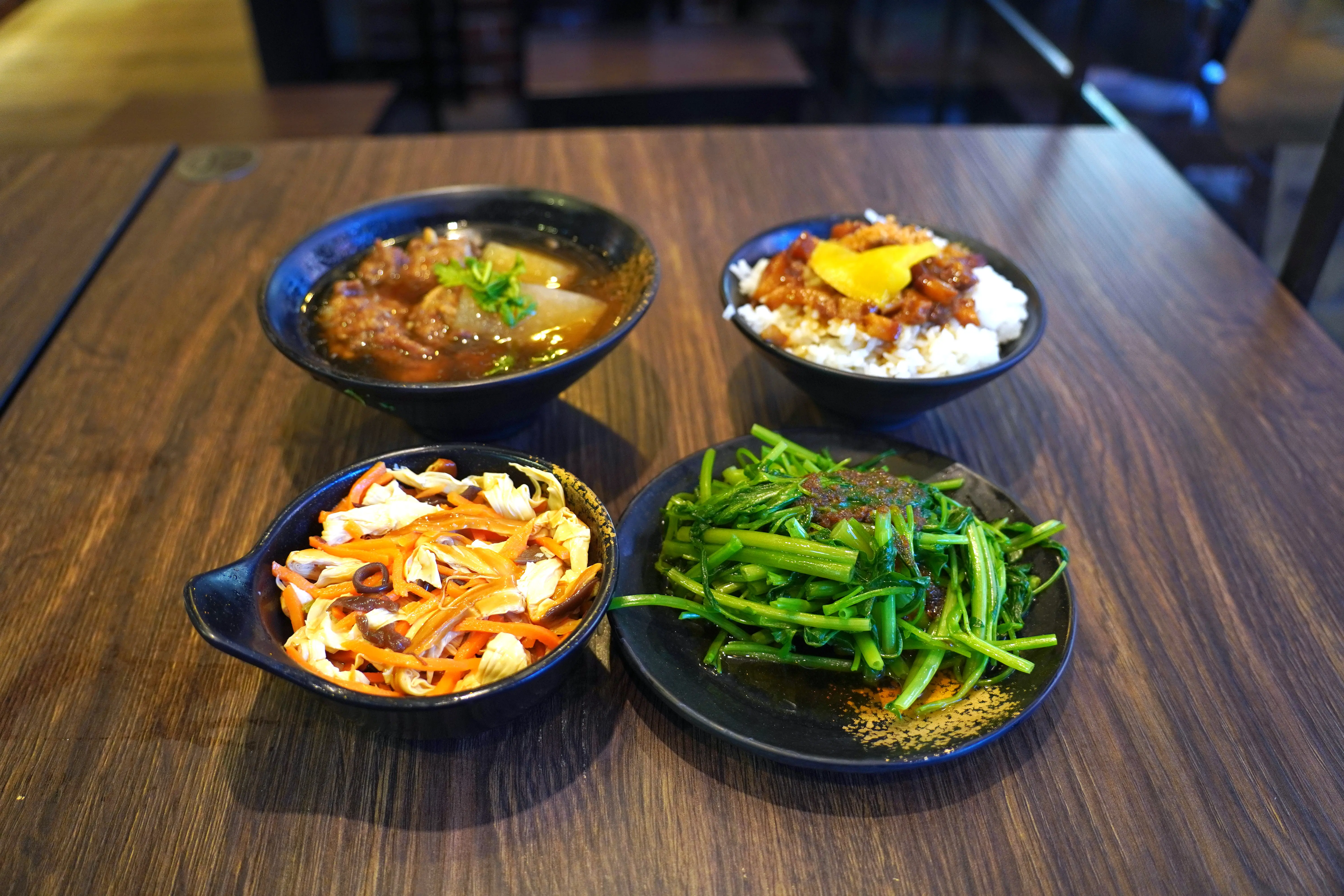
On a shopping trip to Guang Hua, I ate at Jinxiang, a little 小吃 snack shop I’d walked past many times. Four dishes came to NT$205: melt-in-your-mouth lu rou fan, a salty crispy pork rib soup that was my favourite, water spinach with a sweet soy sauce on top, and a smoked tofu skin.