Laozi Hot Pot: Inside Taiwan's Love Affair with Hot Pot
By Kalen Johnson ·
You can't walk far in any Taiwanese city without passing a bubble tea shop or a hot pot restaurant. Taiwanese people are not shy about describing their love for hot pot. Because of this, hot pot is available in a dizzying array of styles, and at every price point - from affordable pre-made hot pot available under NT$200, to all-you-can-eat meat and vegetable, with premium cuts of meat and seafood, costing NT$1000-2000 and even higher.
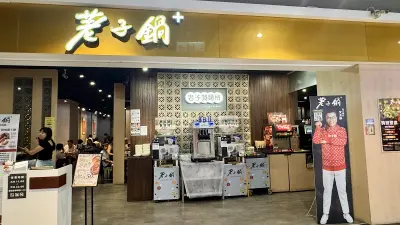
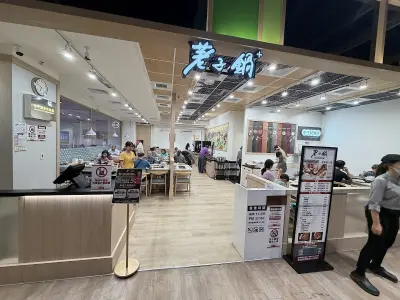
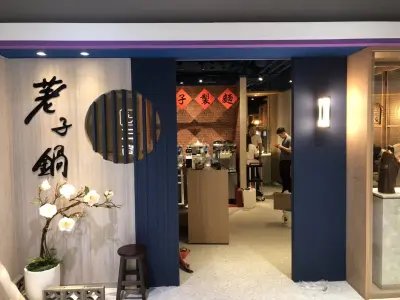
Laozi Hot Pot is a chain restaurant, and I wanted to review it because you’re likely to find it in northern Taiwan; it’s almost always connected to a Carrefour or mall. They’re easy to find and identify; their spokesman is 沈玉琳 (Shen Yu-lin / William Shen), a TV host and comedian, and you can usually find a cardboard cutout of him near the entrance.
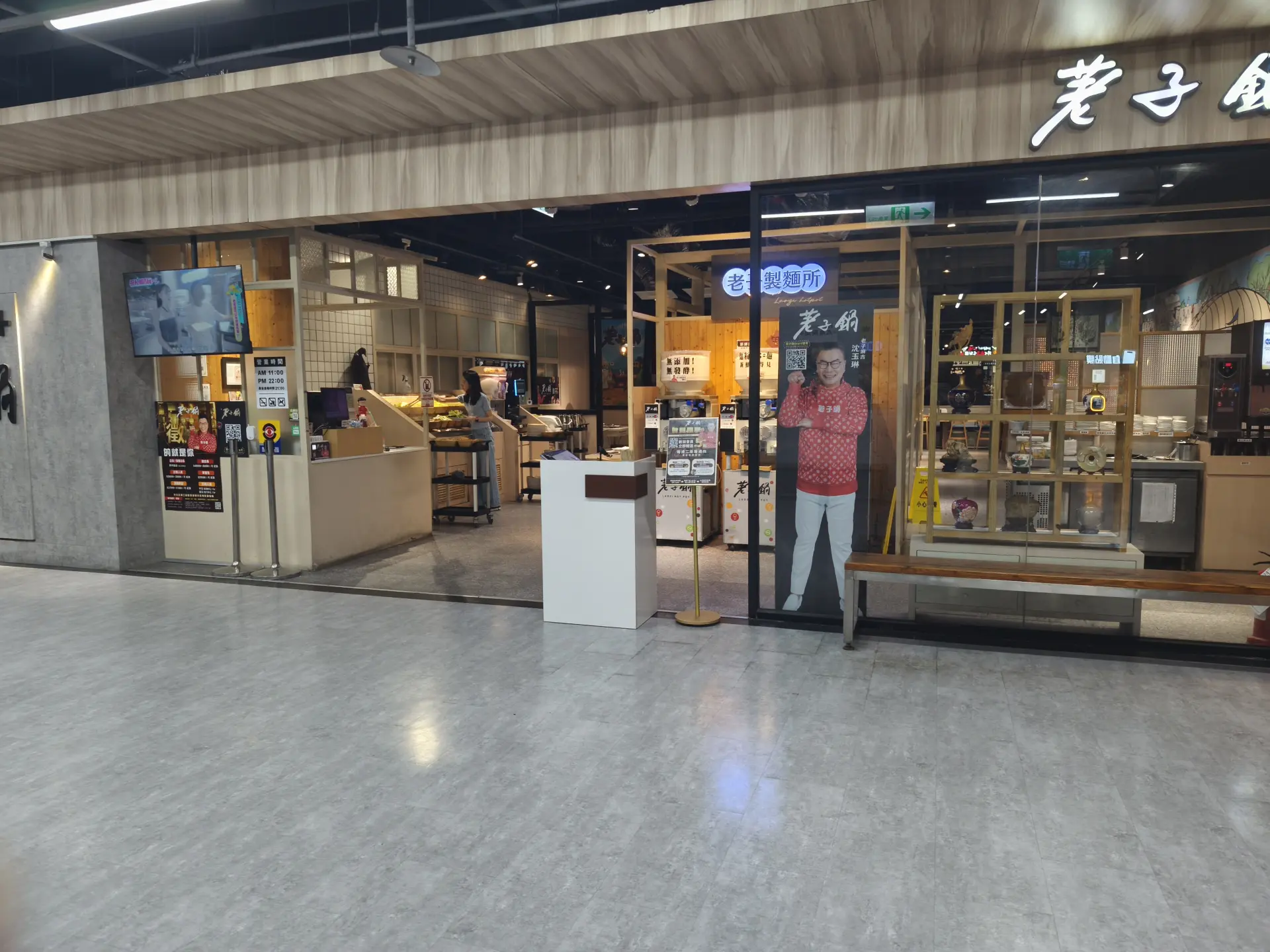
A personal serving of hot pot will cost at least NT$350 for the lunch special, after choosing the meat and broth, plus a 10% service fee (unfortunately, very common at restaurants in Taiwan if they’re not fast food or a mom-and-pop shop). Dinner will cost a minimum of NT$400; meat and seafood choices go up to well over NT$1000. However, this buy-in comes with several perks that make it worth the price.
First, the buffet bar. You have access to unlimited white rice, freshly made noodles, DIY sauces, and almost 30 vegetables, meatballs, and other items to throw in your hot pot. There is also a soda machine, a coffee machine, tea options, a slush machine, and an ice cream machine. You get access to a large amount of food, and, aside from the salt content, hot pot is generally a pretty healthy choice since you can fill up on vegetables, and cooking them in a flavourful hot pot soup makes them easy to consume.
I’m spreading this review over two visits to my local Laozi Hot Pot in Tamsui, on the 3rd floor of the Carrefour Danhai location. For one, I enjoy hot pot for lunch, and the lunch special, despite not including a lot of meat, only 80g, which is usually 5 or 6 slices, allows me to load up on veggies. I’m also able to go over two different broths.
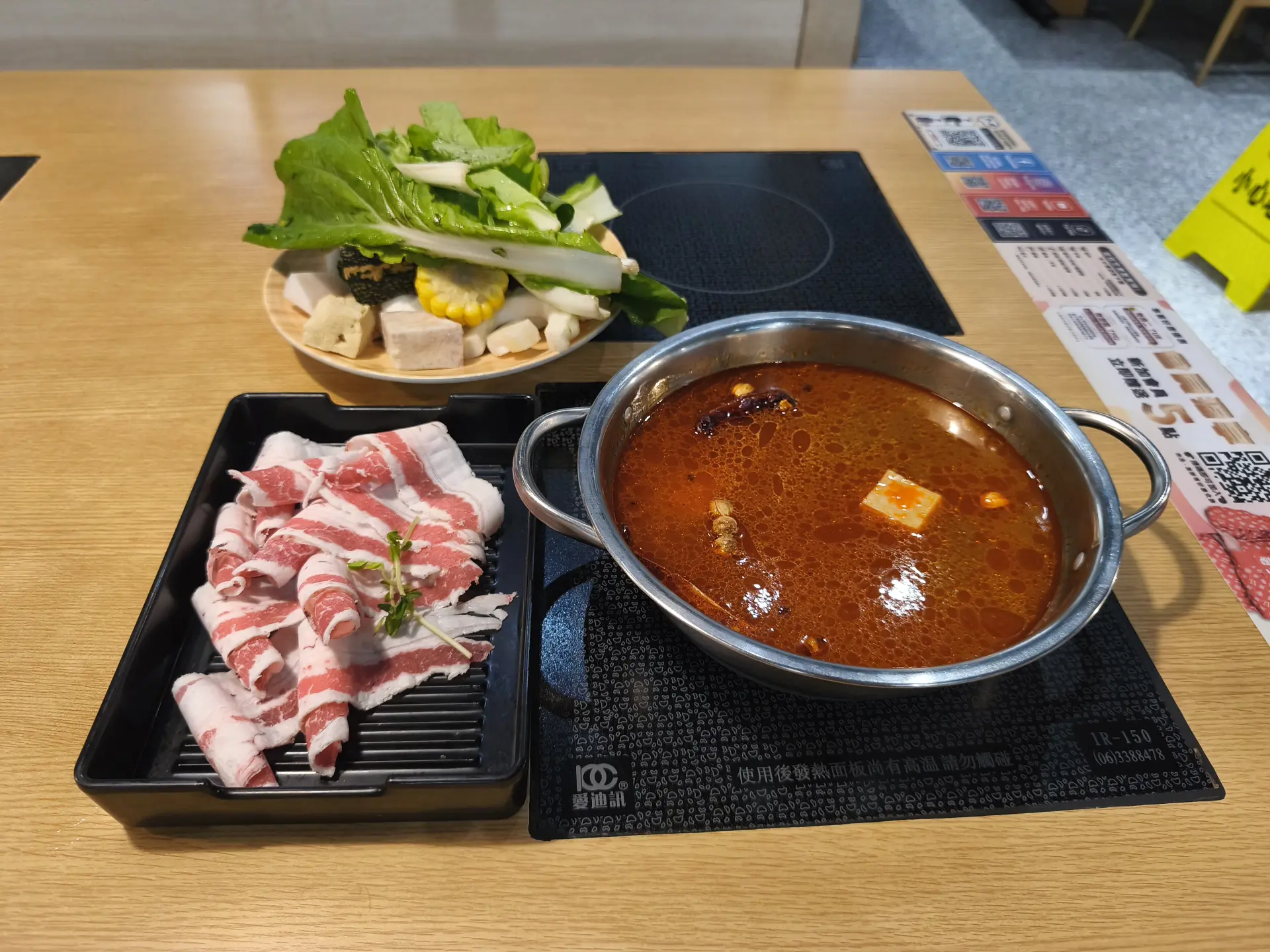
About a month ago, when I visited, I ordered the Premium Cumin & Spicy (極品孜然麻辣鍋). This is actually a mala hot pot base. One thing to note, this base comes with duck blood curd or jelly. I choose not to eat blood; you can ask to exclude it. You can just say 不要鴨血. The broth is strongly flavoured, cumin comes through heavily, and it is not a common ingredient even in mala hot pot. It’s lightly spicy with a slight numbing effect. This broth wonderfully seasons everything you put in it.
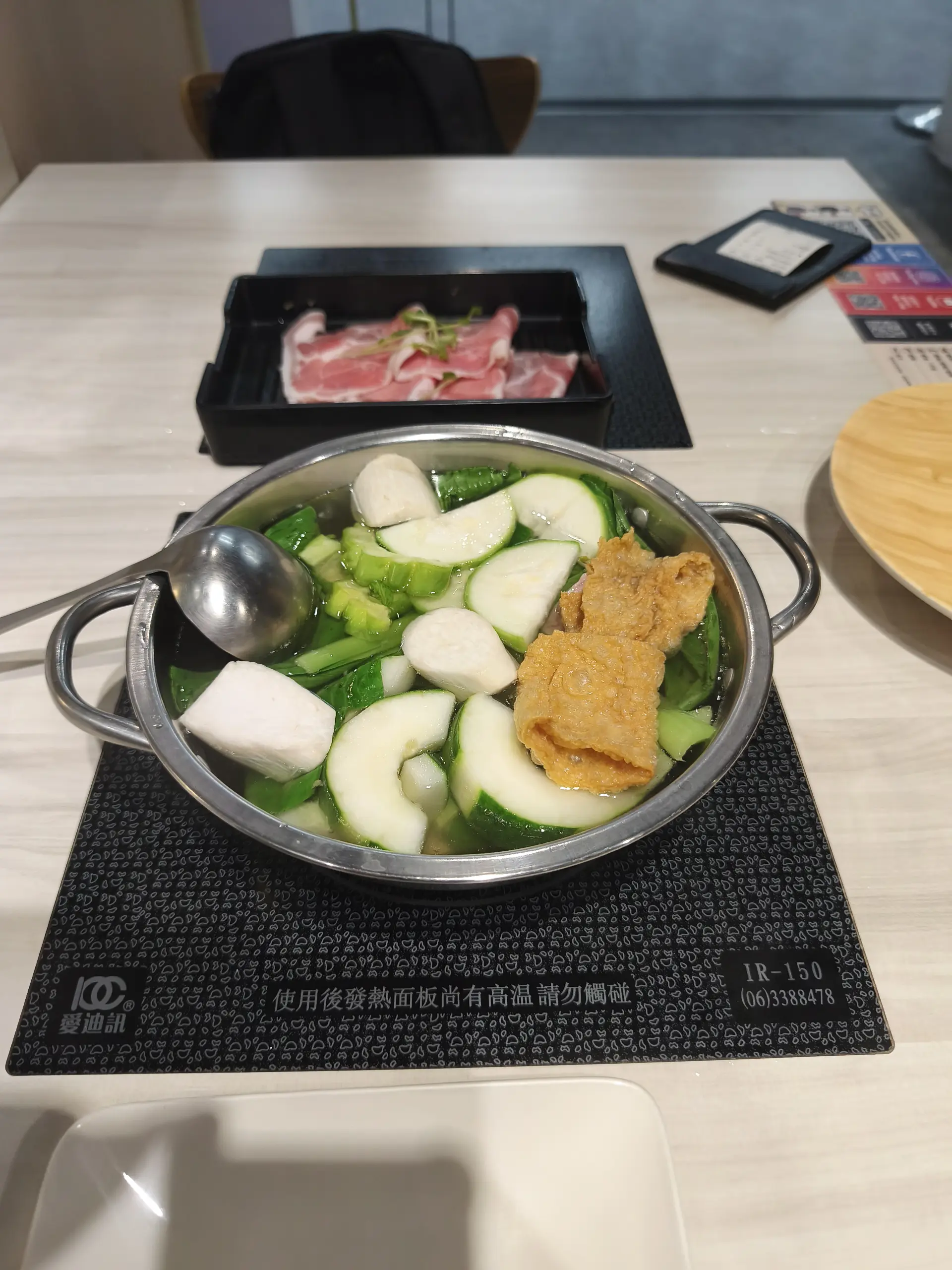
There are many all-you-can-eat options available. There is tofu, tofu skin, different types of meatballs, fish cake, as well as different varieties of mushrooms, sprouts, cabbage, greens, zucchini and bitter melon. It’s quite the spread, and I feel like it’s easy to eat quite healthy with the amount of vegetables that can be consumed here.
All of the meat comes out as thin slices. You can use the chopsticks you’re eating with to touch raw meat, as long as you place them in the boiling broth, which cooks off any raw meat on them. However, since the slices are so thin, you generally only want to leave a meat slice in the soup for a couple of seconds, maybe up to 10 seconds at the most, to get it just cooked enough. If you order seafood, it generally comes out in larger pieces, and prawns come out whole, with the shell, face, and long antenna all intact. These take longer to cook; you need to gauge that yourself, but keep checking, nobody likes an overcooked prawn.
That leads us to the sauce stand, since this is the other big part of hot pot. Sure, you can eat the food directly from the broth, and a strong broth like the spicy cumin does a wonderful job of adding nice flavour to everything, but it can have so much more. The sauce stand has a bunch of options: soy sauce and white or dark vinegar as the base, then you can add scallions, garlic, chopped chilis, or satay sauce. This satay sauce is 沙茶, it’s not a peanut sauce like you will find in Southeast Asia. It’s actually a very savoury soybean oil with dried seafood, garlic, shallots, chilis, and spices. It’s an umami-heavy sauce and is a great addition to your dipping sauce.
I would suggest doing the homemade noodles as one of the last things to add to the hot pot. The machine feeds the noodles through the cutter on demand, but they still have a flour coating, so when you place the noodles in the broth, the broth will thicken a bit from the flour. However, all is not lost; Laozi can refill your broth. In fact, they walk around every 20 or 30 minutes to ask if you’d like more. This is great, as it keeps your hot pot soup tasting fresh and topped up; it does tend to disappear quite quickly, even if you’re not drinking it, due to all the boiling and absorption into the cooked food.
The next soup I tried recently was the peeled chilli pepper hot pot (秘製剝皮辣椒鍋). This is a much more delicate broth than the spicy cumin. However, it has a slightly sweet, slightly sour flavour. I believe this is the same type of green chilis that Taiwan G Tang uses, the brined and peeled chilis, and both the chilis and the brine are added to the broth. I don’t find this base spicy at all, despite the chilli pepper warning.
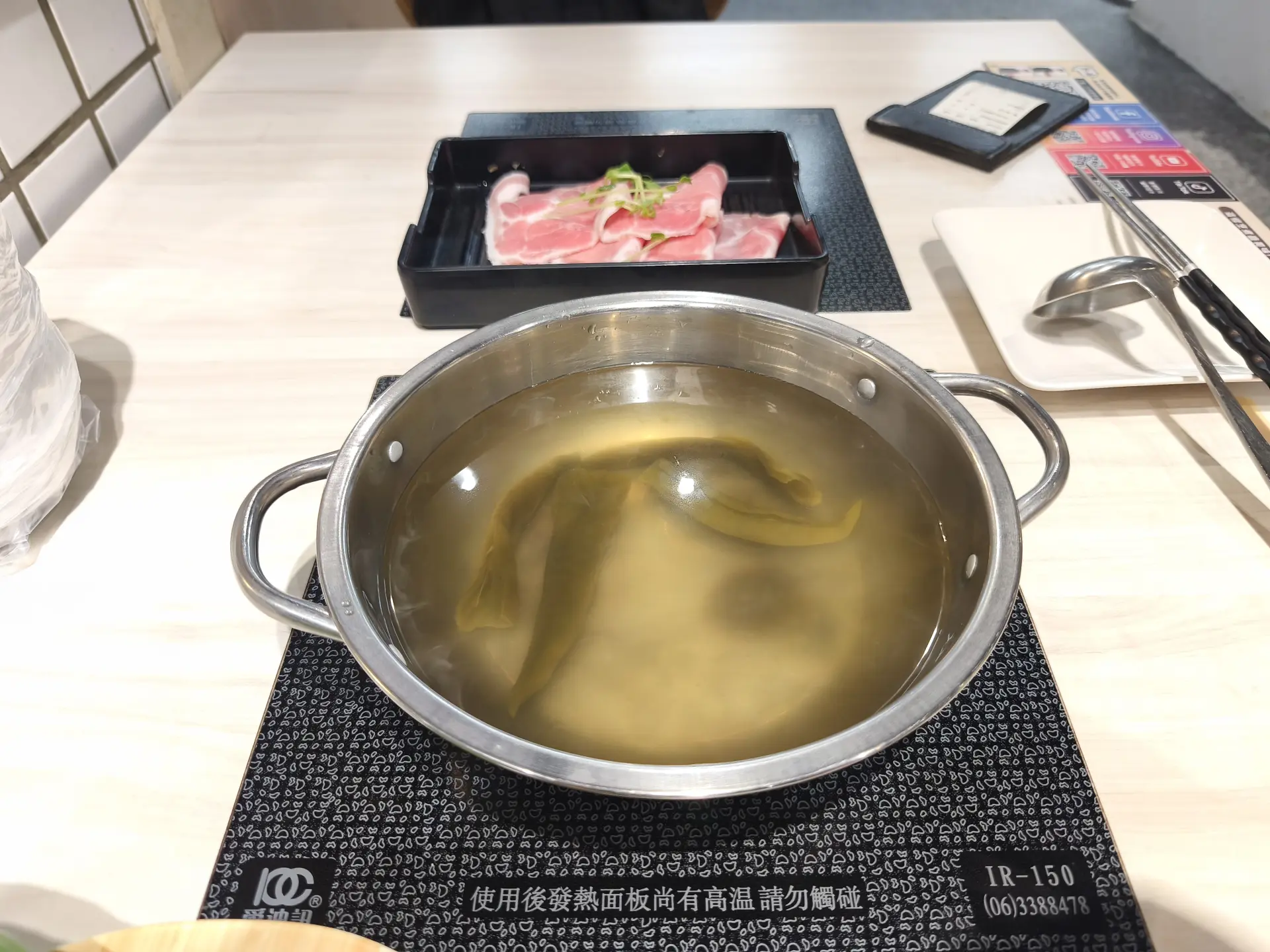
The visit last month cost NT$80 for the spicy cumin broth, and the lunch special of beef belly I chose was NT$319, with the 10% service charge on top it came out to NT$439. The next was cheaper at NT$40 for the peeled pepper broth, and NT$299 for the pork shoulder, coming out to NT$373. It costs more than a simpler lunch like fried rice or bento style 便當, but for the quality of the broth and unlimited sides and drinks, I think the price is pretty good.
One word of warning: the English menu isn't updated like the Chinese ones are. I think the prices have gone up twice for some items in the last year or so. The English menu, for instance, lists the pork shoulder lunch price as NT$269, whereas on Google Maps I see a photo from last year in Chinese for NT$289, and now it is priced at NT$299. Similarly, most base soup prices have increased by NT$10. So you may want to check the Chinese menu with the English one to check the correct prices if you go.
Even with the price increases, though, I think Laozi Hot Pot is a nice example of modern Taiwanese hot pot. You get to fill up on veggies, you have a wide selection of broths, and a very large selection of meat at varying prices. If you’re on a bit of a budget, the lunch options provide enough meat while giving you access to the buffet portion as well as the desserts, drinks, and fresh noodles. For dinner, there are still some affordable meat options, or you can splurge a bit for seafood and higher-end meats. Whatever you choose, Laozi is easy to find, delicious, and worth trying.


Kalen Johnson
A Canadian born husband and father, living in Taiwan for the last two years. He does web development during the day, but is always excited to try out new food from all places and cultures

Reviewed Place
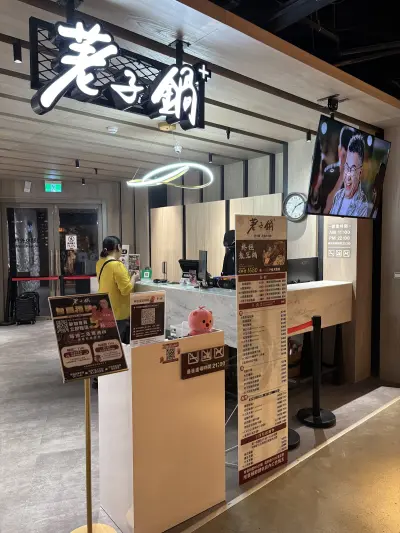
Laozi Hot Pot - Danxin Branch
Tamsui · New Taipei
Reviewed Place
Laozi Hot Pot - Tamsui Branch
Tamsui · New Taipei
Reviewed Place
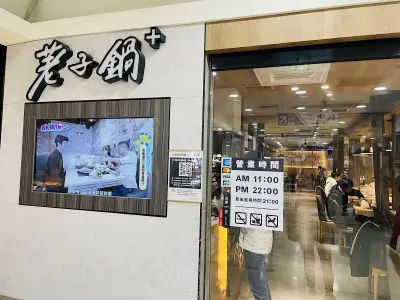
Laozi Hot Pot - Tianmu Branch
Shilin · Taipei
Reviewed Place
Laozi Hot Pot - Luzhou Branch
Sanchong · New Taipei
Reviewed Place
Laozi Hot Pot - Sanchong Aimai Branch
Sanchong · New Taipei
Reviewed Place
Laozi Hot Pot - Chongqing Branch
Datong · Taipei
More Reviews
Also Tasted
Review
LA-Style Carne Asada and Lengua Street Tacos at Chale Tacos in Taipei
Oct 2026 Taipei
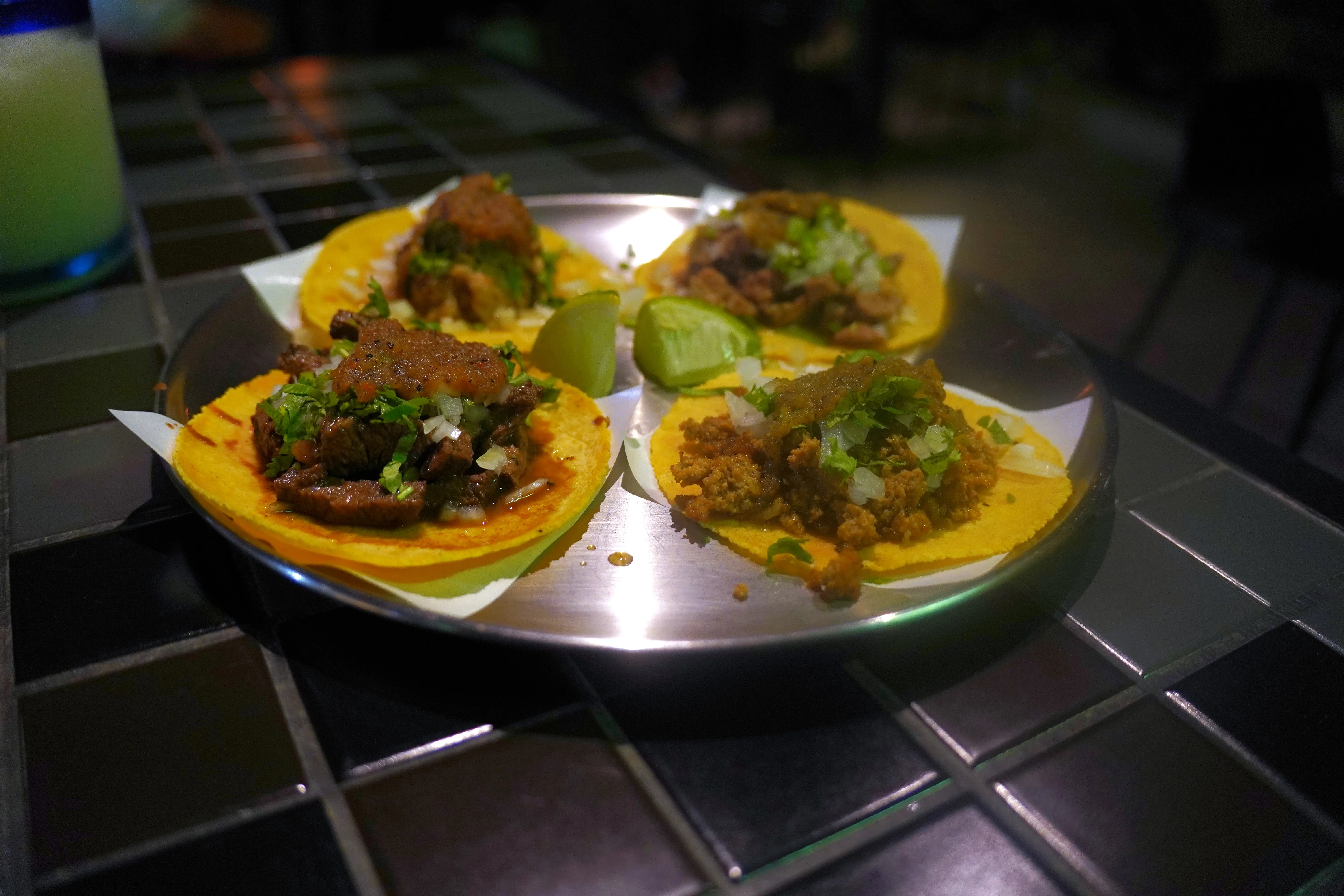
Chale Tacos kindly invited us for a meal, but we wanted to review them as regular customers first. Here’s how their LA-style street tacos, Kaoliang margarita and spicy Mexican wontons held up for someone who spent six years eating tacos in Puerto Vallarta.
Review
Jinxiang Taiwanese Snacks: Lu Rou Fan and Pork Rib Soup Near Guang Hua Digital Plaza
Oct 2026 Taipei
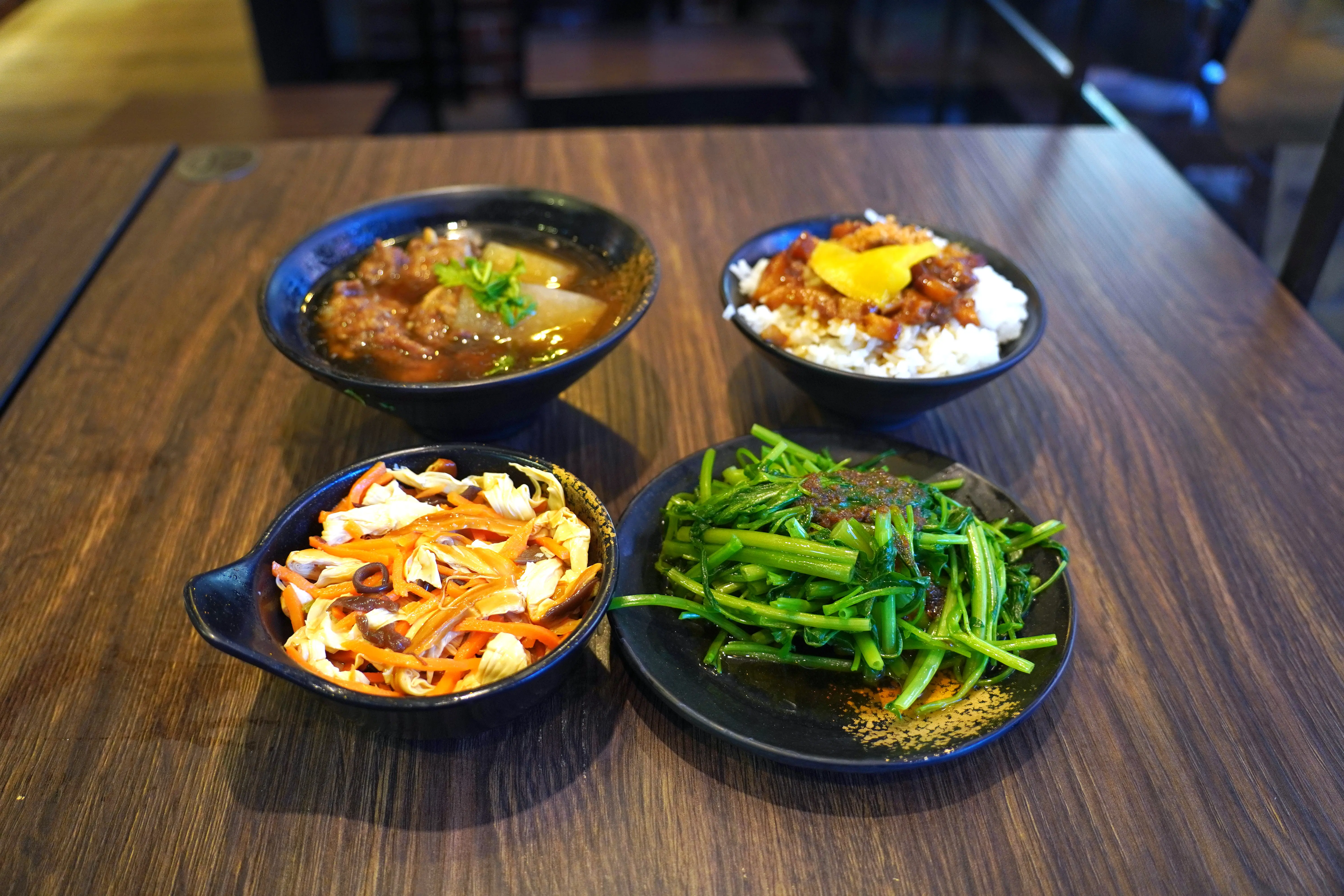
On a shopping trip to Guang Hua, I ate at Jinxiang, a little 小吃 snack shop I’d walked past many times. Four dishes came to NT$205: melt-in-your-mouth lu rou fan, a salty crispy pork rib soup that was my favourite, water spinach with a sweet soy sauce on top, and a smoked tofu skin.